Your hair looked perfect after the salon. Two weeks later, it looks yellow or orange. Sound familiar?
So you go to buy a toning shampoo. Then you freeze. The shelf has blue bottles. It also has purple bottles. Which one do you pick?
That is why so many people search for “blue or purple shampoo.” They want the right answer, fast. They don’t want to waste money, and they don’t want hair in a strange shade.
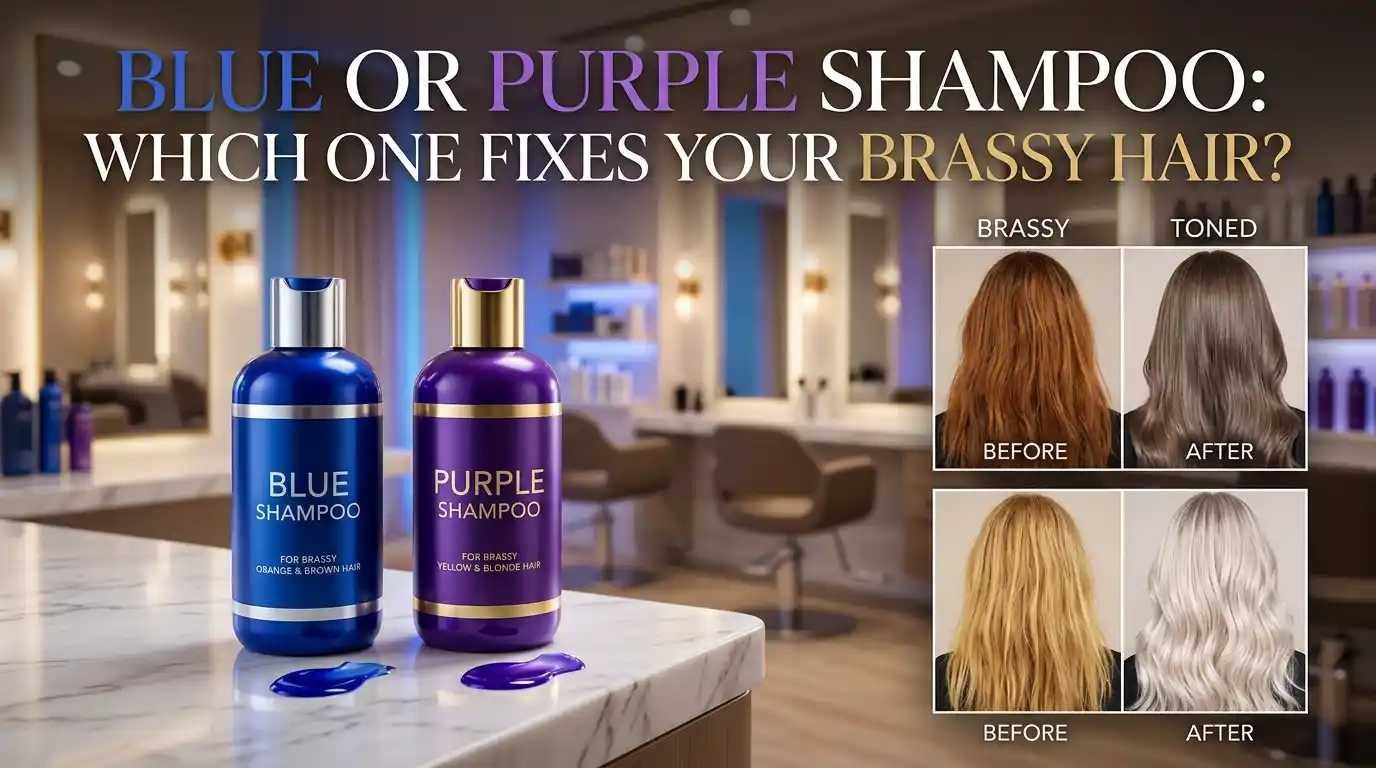
Both shampoos fight unwanted warm tones. But they work in different ways. Blue shampoo cancels orange. Purple shampoo cancels yellow. The right one depends on your hair color and the tone you want to remove.
This guide clears up the confusion. This guide shows what each shampoo does and who should use it. You will also see common mistakes, real examples, and answers to the top questions.Let’s get started.
Blue or Purple Shampoo Quick Answer
Use purple shampoo to remove yellow tones. Use blue shampoo to remove orange tones.
That is the short version. Here is how it works in real life:
- Light blonde hair that looks yellow: purple shampoo
- Dark blonde or light brown hair that looks orange: blue shampoo
- Brown hair that turns copper in the sun: blue shampoo
- Gray or silver hair that looks dull and yellow: purple shampoo
Think of it like a paint mix. Opposite colors on the color wheel cancel each other. Purple sits across from yellow. Blue sits across from orange. That is the whole secret.
The Origin of Blue and Purple Shampoo
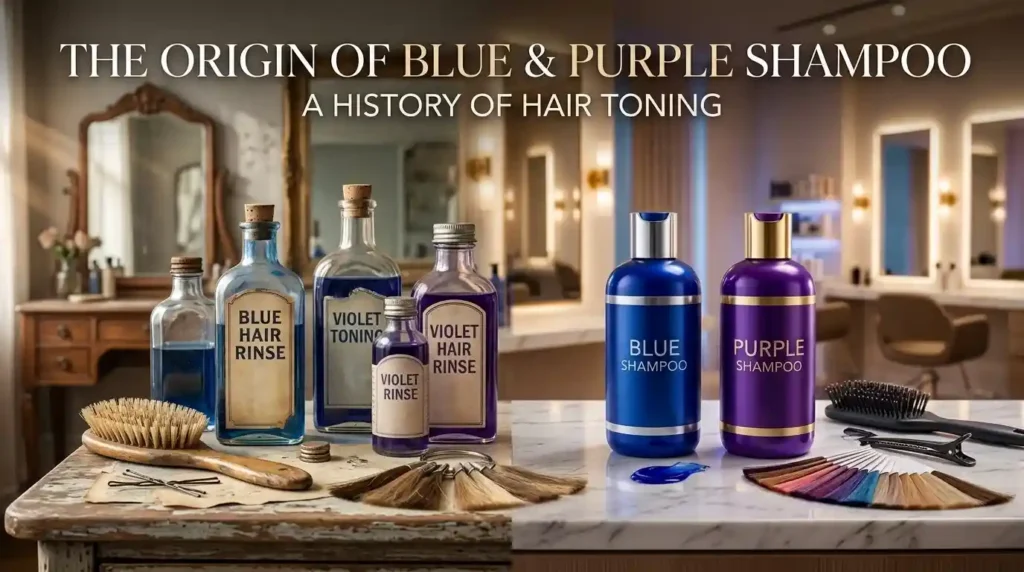
Toning with color is an old idea. For many years, people used a “bluing” rinse on white laundry. A little blue made yellowed cloth look bright white again. Hair stylists used the same idea on gray and white hair. Some used a blue or violet rinse to make it look clean and cool.
Later, hair brands turned this idea into shampoo. Purple shampoo came first for blondes and gray hair. It became popular as more people bleached their hair. Bleach often leaves yellow behind.
Blue shampoo grew later. People with dark hair began to lighten it. Dark hair does not turn yellow first. It turns orange. Yellow-fighting purple was not strong enough for that. So brands made blue formulas.
That is why we have two colors today. They come from the same idea, but they fix two different problems.
Blue vs Purple Shampoo Color Wheel and Hair Type Comparison
This is the heart of the choice. Here is a side-by-side look.
| Feature | Blue Shampoo | Purple Shampoo |
| Cancels | Orange and copper tones | Yellow and gold tones |
| Color wheel match | Blue is opposite orange | Purple is opposite yellow |
| Best for | Brunettes, dark blondes, lightened brown hair | Blondes, silver, gray, and white hair |
| Common problem it fixes | Brassy orange after lightening dark hair | Yellow tint after bleaching |
| Strength | Often stronger on deeper warm tones | Often gentler on light hair |
| Risk if overused | Dull, dark, or slightly green-gray tint on light hair | Lavender tint on very light or porous hair |
Remember this rule: match the shampoo to the color you see, not the color you want. If your hair looks orange, reach for blue. If it looks yellow, reach for purple.
Which Should You Use? (By Hair Type)
Platinum or light blonde: Choose purple. Your hair shows yellow first. Purple keeps it bright and cool.
Dark blonde or “dishwater” blonde: Look closely. Is it more gold or more orange? Gold needs purple. Orange needs blue.
Brunette with highlights: Choose blue. Lightened brown hair turns orange. Blue helps calm it down.
Gray, silver, or white: Choose purple. Gray hair picks up yellow from heat, smoke, and hard water.
Dyed pastel or fashion colors: Be careful. Toning shampoo can change the shade. Test a small strand first.
Not sure? Try purple first if your hair looks yellow. Try blue if it looks like a new penny. You can also ask your stylist. They see your hair every day, and a quick look can save you time.
Common Mistakes with Blue or Purple Shampoo
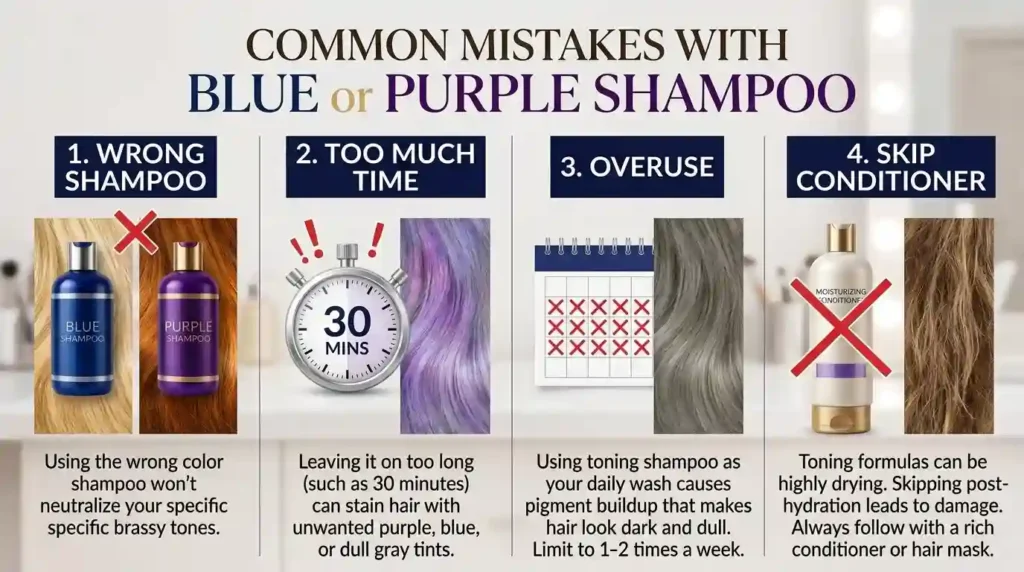
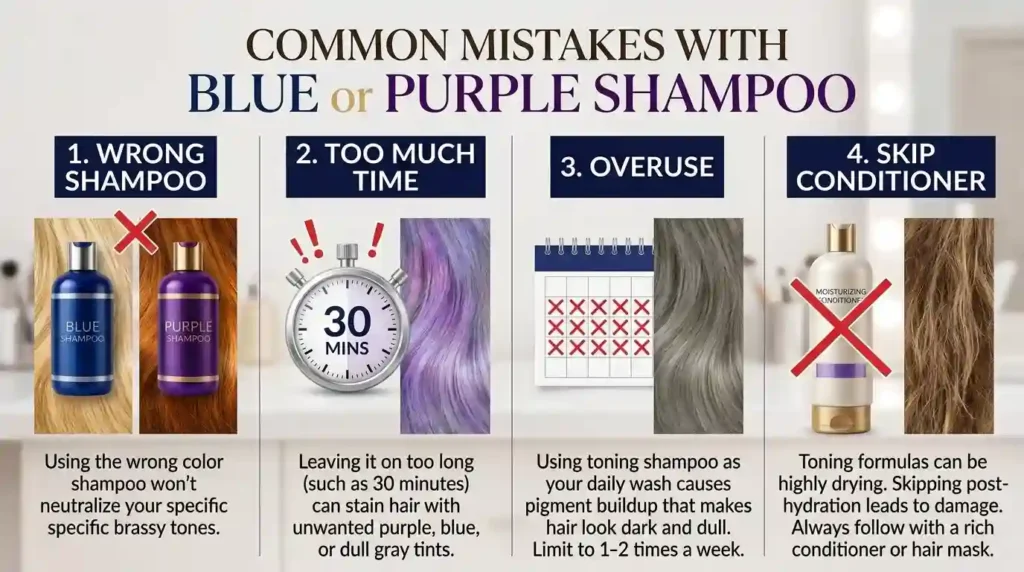
Mistake 1: Using it every day.
Toning shampoo builds up. Use it once or twice a week. Use normal shampoo the rest of the time.
Mistake 2: Picking the wrong color.
Using purple on orange hair does very little. Use blue instead.
Mistake 3: Leaving it on too long.
Light hair can turn lavender or gray. Start with two to three minutes. Rinse well.
Mistake 4: Skipping conditioner.
Toning shampoo can dry hair. Always follow with a moisturizing conditioner.
Mistake 5: Expecting it to change your color.
It does not lighten hair. It only softens unwanted warm tones.
Mistake 6: Using it on wet, damaged hair without testing.
Damaged hair soaks up color fast. Test it first.
Blue or Purple Shampoo in Everyday Examples
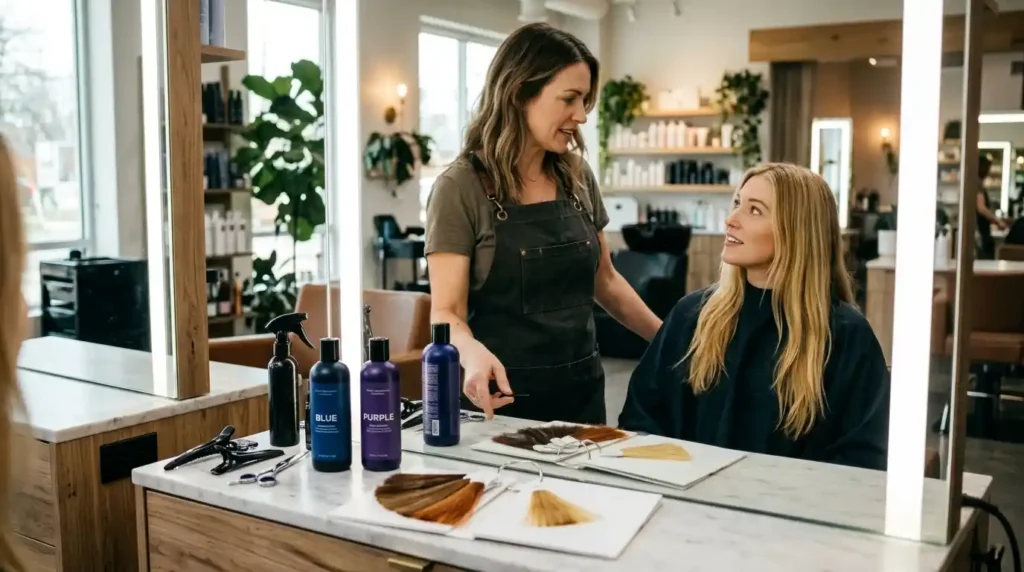
In a salon chat:
“My color looks warm. Should I use blue or purple shampoo?”
In a friendly email:
“Hi Maya, thanks for the tip. I bought a purple shampoo for my blonde hair. I will use it once a week.”
In a social media post:
“Brassy hair? Blue or purple shampoo? Here is how to tell which one you need. 💜💙”
In a news or magazine style line:
“Stylists say blue shampoo helps brunettes, while purple shampoo suits blondes.”
In a formal product description:
“This violet-pigmented shampoo neutralizes yellow tones in blonde, silver, and gray hair.”
Notice how the words stay simple in each case. The main idea does not change. Only the tone does.
Blue or Purple Shampoo Search Trends and Usage Data
I cannot give exact numbers here. Please check Google Trends for the latest data. Here is what you can usually expect to see:
- Purple shampoo is searched much more than blue shampoo. More people have blonde or gray hair than lightened brown hair.
- Searches often rise before summer, since sun and chlorine can add brassiness. They also rise around holidays, when people get their hair done.
- Question searches like “blue or purple shampoo for brown hair” are common. People want help choosing.
- Searches come from many countries. English-speaking countries like the US, UK, Canada, and Australia are big sources.
- Silver shampoo and toning shampoo are also popular. Some people use these names for the same type of product.
To check for yourself, open Google Trends, type in each term, and compare them by country and by time.
Keyword Variations Side by Side
| Search Term | Usually Means | Best For |
| Blue shampoo | Shampoo that cancels orange | Brunettes, lightened dark hair |
| Purple shampoo | Shampoo that cancels yellow | Blondes, gray, and white hair |
| Violet shampoo | Another name for purple shampoo | Blondes and gray hair |
| Silver shampoo | Often purple, made for gray hair | Silver and white hair |
| Toning shampoo | Any color-correcting shampoo | Depends on the pigment |
| Blue or purple shampoo | A question about which to pick | Anyone with brassy hair |
FAQs
What is the main difference between blue and purple shampoo?
Blue shampoo cancels orange tones. Purple shampoo cancels yellow tones.
Can brunettes use purple shampoo?
Yes, but blue usually works better. Brown hair that turns brassy often looks orange, not yellow.
How often should I use blue or purple shampoo?
Most people do well with once or twice a week. Light, damaged hair may need less.
Will purple shampoo turn my hair purple?
It can, if your hair is very light or porous and you leave it on too long. Use short wash times at first.
Can I use both blue and purple shampoo?
Yes. Some people use blue for orange tones and purple for yellow tones. Use them on different days.
Does blue or purple shampoo damage hair?
It is usually safe. It can dry hair a bit, so use conditioner after. Do not overuse it.
Does it work on natural hair that was never dyed?
It works best on lightened, gray, or blonde hair. On dark, natural hair, you may see little change.
How long does it take to see results?
Many people see a change after one or two washes. Stronger brassiness may take more time.
Conclusion
Choosing between blue or purple shampoo does not need to be hard. Here is the simple rule: look at the unwanted tone in your hair, then pick the color on the opposite side of the color wheel.
If your hair looks yellow, choose purple. This is the best pick for blondes, silver hair, and gray hair. If your hair looks orange, choose blue. This is the best pick for brunettes and for dark hair that has been lightened.
Do not use either one every day. Once or twice a week is enough for most people. Keep the lather on your hair for a short time, then rinse well. Always finish with a good conditioner so your hair stays soft and healthy.
Remember that these shampoos do not lighten hair. They only calm unwanted warm tones. If your hair is very damaged or you use a fashion color, test a small strand first.
When in doubt, ask your stylist. With the right bottle and a little care, your hair can look fresh and bright for much longer.

“I’m Ibadat Fatima, a professional content writer and author with 3 years of experience in writing, editing, and storytelling. I share my work through visitlivo.com, where I help readers connect with clear, engaging, and well-crafted content.”