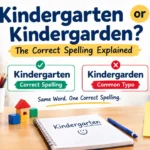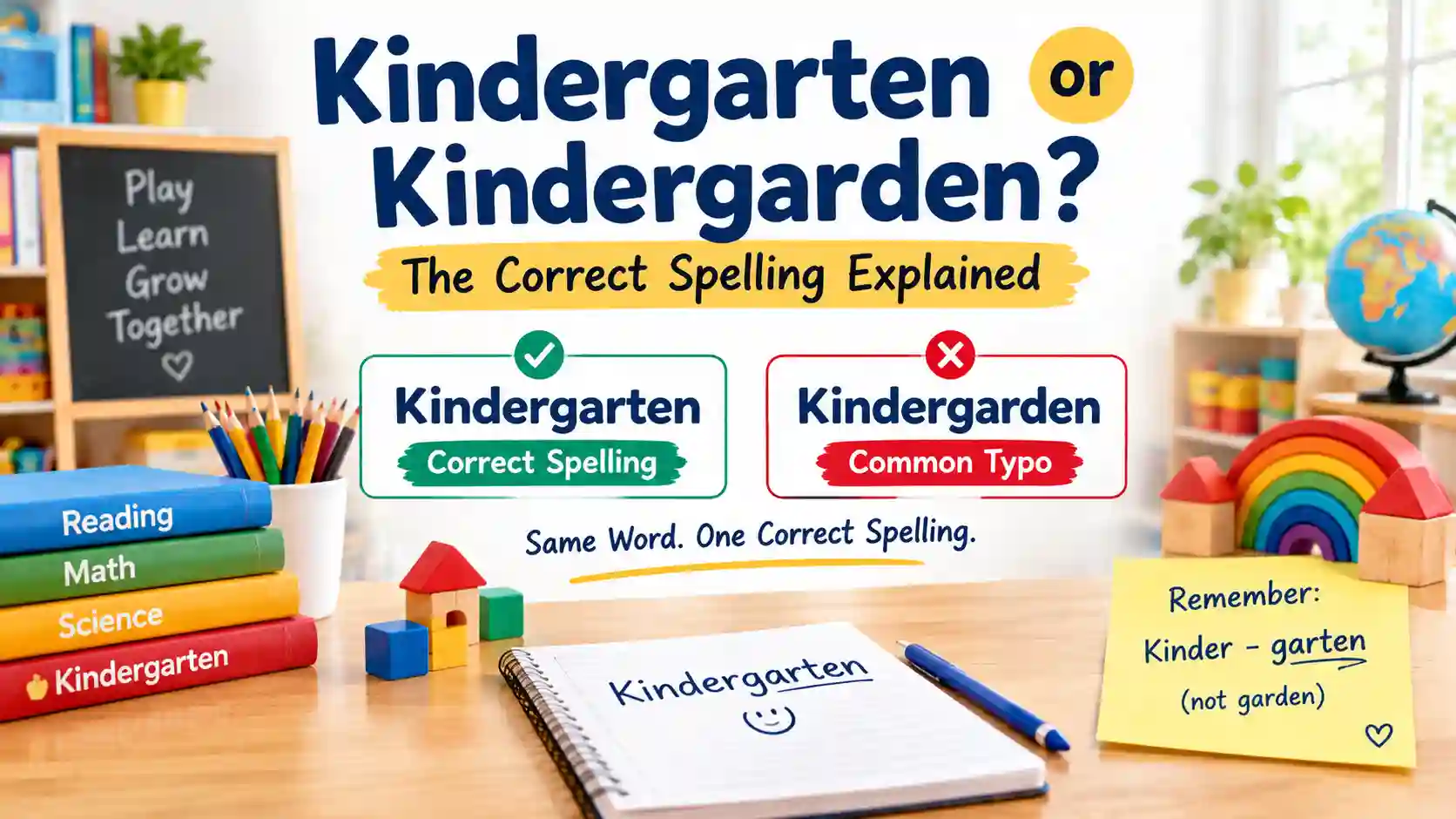
Quick answer: it is “kindergarten.” “Kindergarden” is a common typo.
You are filling out a school form. You stop. Is it kindergarten or kindergarden? You are not alone. Thousands of people ask this every year. The word looks like it should end in “garden.” After all, many people know it means a place where kids grow. So the spelling feels odd.
Here is the fast answer: kindergarten is correct. Kindergarden is a common mistake. It is wrong in the US, the UK, Canada, Australia, and everywhere else.
People search for this keyword for a few reasons. Parents write emails to teachers. Students write essays. Bloggers and marketers write web pages. Nobody wants a typo in a school name or a headline. Spell checkers do not always catch it, so many people double-check on Google.
Some people also think British and American English spell it differently. They do not. This article clears up that mix-up. You will learn the correct spelling, where the word came from, and how to remember it. You will also see real examples, common mistakes, and answers to the top questions.
Kindergarten or Kindergarden Quick Answer
Kindergarten is the correct spelling. It ends in -garten, not -garden.
Kindergarden is wrong. You may see it often, but it is a spelling error.
Here are simple examples:
- ✅ My son starts kindergarten in September.
- ❌ My son starts
kindergardenin September. - ✅ She is a kindergarten teacher.
- ✅ The school has two kindergarten classes.
Easy memory trick: Think of the word art inside it. Kinder-gart-en. Kids make art in kindergarten. There is no “d” to worry about.
The Origin of Kindergarten
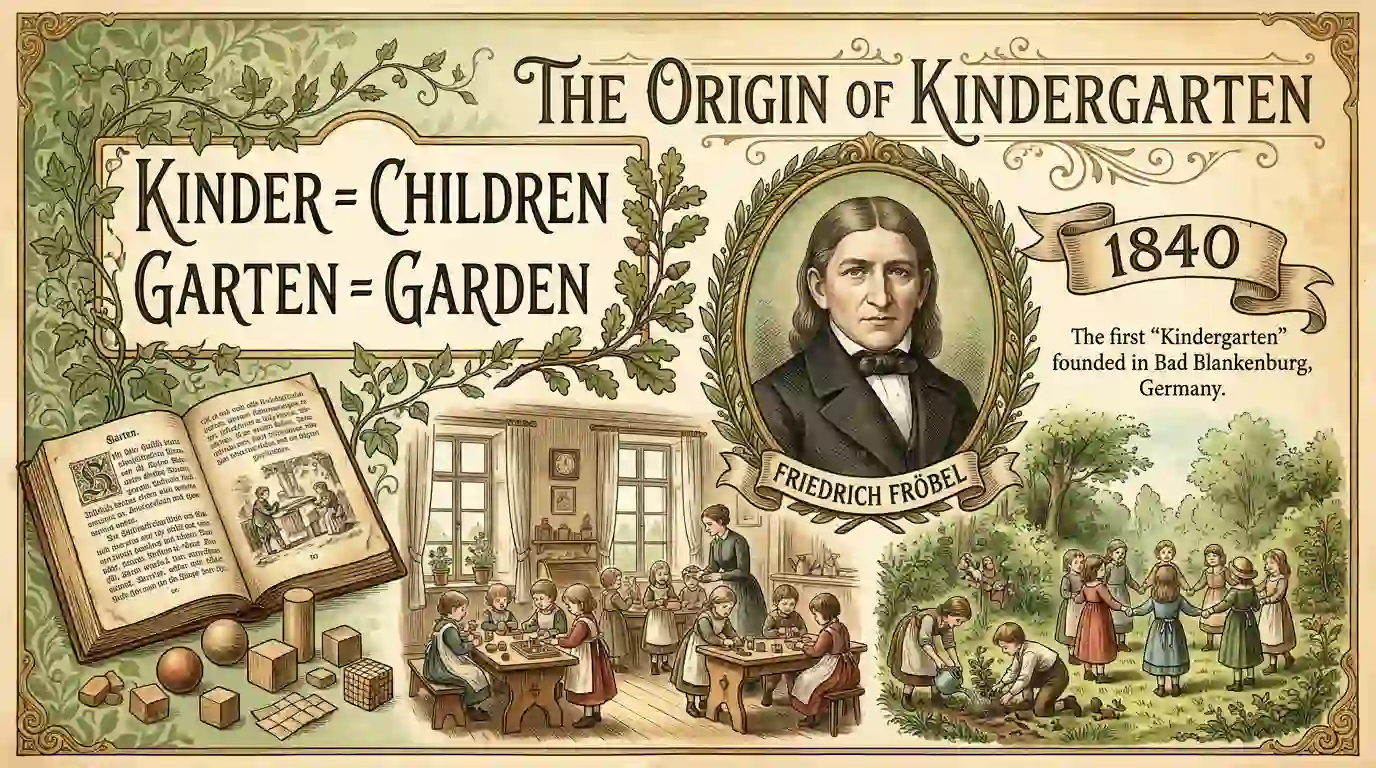
The word comes from German. It is two words joined together:
- Kinder means “children.”
- Garten means “garden.”
So kindergarten means “children’s garden.”
A German teacher named Friedrich Fröbel gave the idea its name. He opened his first kindergarten in Germany in 1840. He believed young kids grow like plants. They need care, sunlight, and room to play. So he called his school a garden for children.
The idea spread fast. German families took it to the United States in the 1800s. The first kindergartens there taught in German. Later, English took the word as it was. English kept the German spelling.
Why do the spelling differences exist?
The confusion comes from two things:
- The English word “garden” looks and sounds almost the same. Our brains want to fix the spelling.
- English borrowed the word, not the rule. In German, “Garten” is the right spelling. English kept it as is.
So “kindergarden” is not a regional spelling. It is a mix of German and English that people make by habit.
British English vs American English Spelling
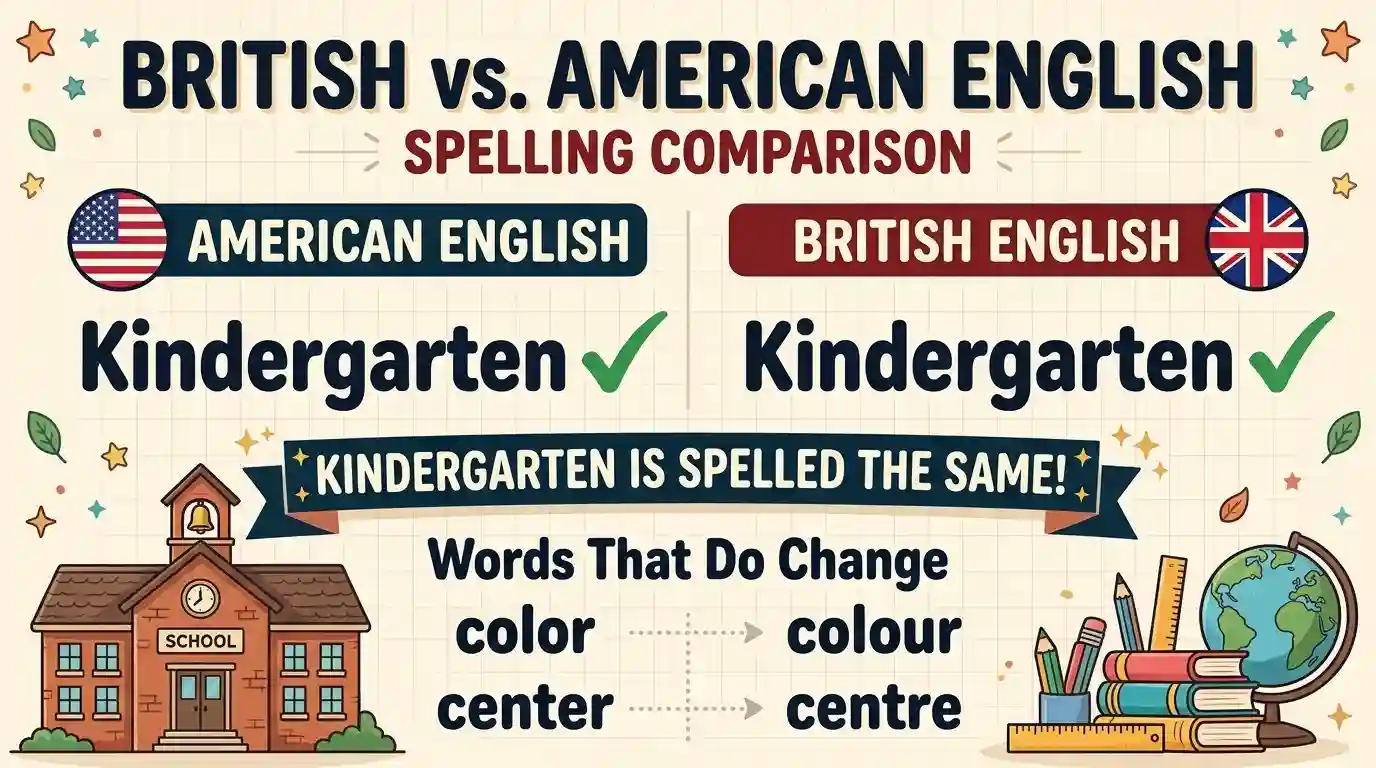
Here is the key point: there is no British vs American difference for this word. Both use kindergarten.
Many US and UK spelling differences are real. Think of color and colour. But kindergarten is not one of them.
| Word | American English | British English | Same or different? |
| Kindergarten | kindergarten | kindergarten | Same |
| Color | color | colour | Different |
| Center | center | centre | Different |
| Organize | organize | organise | Different |
| Gray | gray | grey | Different |
| Nursery school | preschool | nursery | Different word |
The real difference is not spelling. It is meaning and use:
- United States and Canada: Kindergarten is the first year of school, for kids about five to six years old.
- United Kingdom: The word is used less in state schools. Kids start in a class called “Reception.” Some private nurseries and play groups still use “kindergarten” in their names.
- Australia: It depends on the state. Some states use “kindergarten” for the year before school. New South Wales uses it for the first year of primary school.
- Germany: A Kindergarten is care and early learning for kids before school, about ages three to six.
The spelling stays the same everywhere. Only the school stage changes.
Which Spelling Should You Use?
Use kindergarten. It is the only correct choice. Here is how that works for each audience.
If your readers are in the US or Canada Use “kindergarten.” It is the normal term for the first school year. Use it in lowercase unless it starts a sentence or is in a school name.
If your readers are in the UK or Commonwealth countries Use “kindergarten” if you mean a kindergarten. Many UK readers know it. But check the local term. In England, “Reception” or “nursery” may be better for state schools.
If your readers are global Use “kindergarten.” It is understood almost everywhere. If you need to be clear, add a short note. For example: “kindergarten (the first year of school for five-year-olds).”
For SEO writers Most people search the correct spelling. Use “kindergarten” in your title, headings, and text. You can mention “kindergarden” once in a helpful way, like in a FAQ. Do not use it as your main spelling.
Common Mistakes with Kindergarten
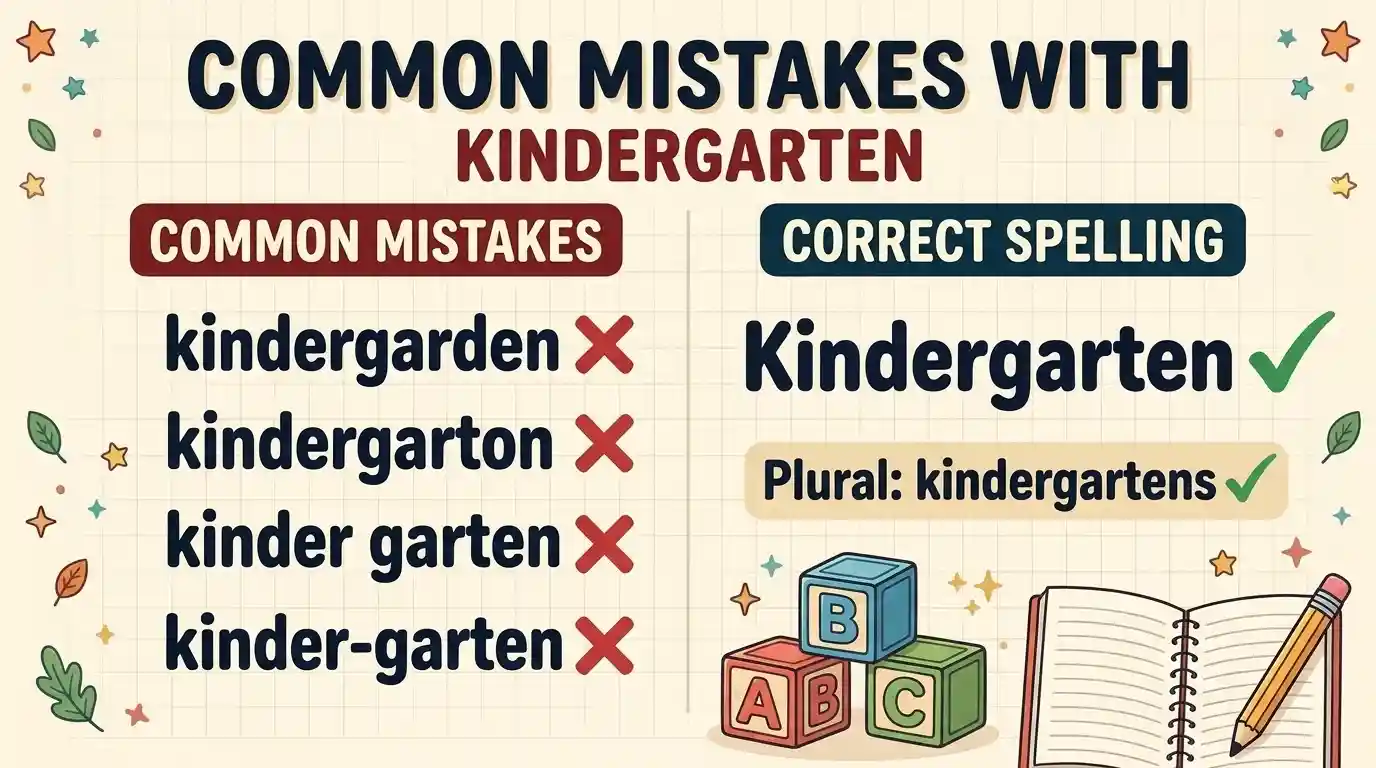
Here are the errors people make most. Each one has a fix.
| Mistake | Correct form | Tip |
| kindergarden | kindergarten | End with -garten. |
| kindergarton | kindergarten | It is “garten,” not “garton.” |
| kinder garten | kindergarten | It is one word. |
| kinder-garten | kindergarten | No hyphen needed. |
| kindergarden’s (plural) | kindergartens | Add “s” for plural. No apostrophe. |
| Kindergartener / kindergartner | Both are fine | “Kindergartner” is more common in the US. |
| Kindergarten (always capital) | kindergarten | Use lowercase in the middle of a sentence. |
Two more tips:
- In English, the word does not need a capital letter. In German, all nouns are capitalized, so you will see “Kindergarten” with a capital K in German text.
- Do not write “kindergarden” in school names, signs, or flyers. It looks like an error and may hurt trust.
Kindergarten in Everyday Examples
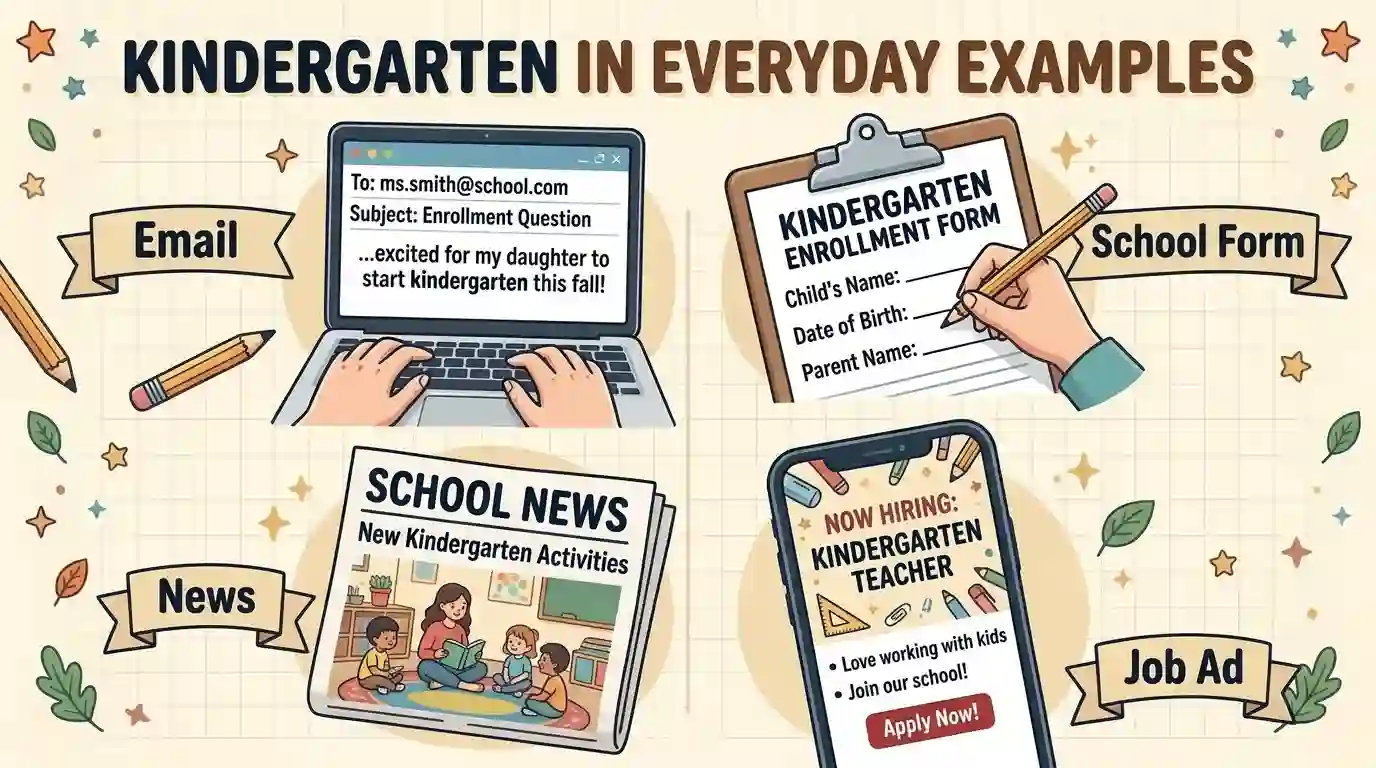
Here is how the word looks in real writing.
In an email to a teacher
Hello Ms. Lee, my daughter starts kindergarten next week. Can you send me the supply list?
In a news headline
City Adds 200 New Kindergarten Seats for Fall
On social media
First day of kindergarten! 🎒 So proud of this big kid.
In formal writing
Research shows that high-quality kindergarten programs improve early reading skills.
On a school form
Grade entering: Kindergarten
In a job ad
We are hiring a kindergarten teacher for the new school year.
Notice the pattern. The spelling never changes. It is always kindergarten.
Kindergarten or Kindergarden Google Trends and Usage Data
Google Trends shows how often people search for a word. It shows interest as a score, not exact counts. Here is what the pattern usually looks like.
1. The correct spelling wins by a lot. More people search “kindergarten” than “kindergarden.” This is true in most countries. The wrong spelling is a small share of the total.
2. Searches go up before school starts. Interest in the word often rises in late summer. That is when parents sign up kids and buy supplies. Spelling checks rise at the same time.
3. Context changes the search.
| Country or region | What people usually mean | Typical search focus |
| United States | First year of school | Enrollment, age rules, readiness |
| Canada | First year of school | Programs, full-day options |
| United Kingdom | Early years care | “Nursery” and “Reception” are more common |
| Australia | Varies by state | “Kindy,” prep, and age rules |
| Germany | Early childhood care | Places, costs, and daycare |
4. The spelling question is global. People who learn English as a second language also search this term. The “-garten” ending is hard to guess.
Want live numbers? Open Google Trends, type both spellings, and compare them by country and date.
Comparison Table: Keyword Variations Side by Side
| Variation | Correct? | Used in | Note |
| kindergarten | ✅ Yes | US, UK, Canada, Australia, worldwide | The standard English spelling |
| kindergarden | ❌ No | Typos everywhere | Blends “kinder” and English “garden” |
| Kindergarten (capital K) | ✅ Yes | Start of sentence, school names, German | Capitalize only when needed |
| kindergartens | ✅ Yes | Plural, all regions | No apostrophe |
| kindergartner | ✅ Yes | Mostly US | A child in kindergarten |
| kindergartener | ✅ Yes | Less common | Also acceptable |
| kindy / kindi | ✅ Informal | Australia, New Zealand | Casual short form |
| kinder | ✅ Informal | US | Casual short form |
Frequently Asked Questions (FAQs)
Is it kindergarten or kindergarden?
It is kindergarten. Kindergarden is a common spelling mistake.
Is kindergarden ever correct?
No. It is not correct in any standard form of English. Not in the US, UK, Canada, or Australia.
Is there a British and American spelling difference for kindergarten?
No. Both use “kindergarten.” The difference is how the word is used. In the US it means the first school year. In the UK, “Reception” or “nursery” are more common terms.
Why does kindergarten end in “-garten” and not “-garden”?
The word is from German. “Garten” is the German word for garden. English kept the German spelling when it borrowed the word.
What does kindergarten mean?
It means “children’s garden.” The name fits the idea that young kids grow best with care, play, and good teaching.
Should I capitalize kindergarten?
Not in English, unless it starts a sentence or is part of a proper name, like “Sunny Days Kindergarten.” In German, all nouns are capitalized.
How do I spell the plural of kindergarten?
Add an “s.” The plural is kindergartens. Do not add an apostrophe.
How can I remember the spelling?
Find the word art inside it: kinder-gart-en. Kids do a lot of art in kindergarten.
Conclusion
So, kindergarten or kindergarden? The answer is simple. Kindergarten is the right spelling. Kindergarden is a mistake, even though it looks natural.
Here are the key points to remember:
- The word comes from German. “Kinder” means children. “Garten” means garden.
- Friedrich Fröbel started the idea in Germany in 1840.
- American and British English spell it the same way. There is no regional spelling change.
- The meaning of the word changes by country. The spelling does not.
- Use lowercase unless it starts a sentence or names a school.
- Add an “s” for the plural. Never add an apostrophe.
My advice is easy. Write kindergarten in every email, essay, web page, and social post. Use the “art” trick if you forget. Check school names and signs before you print them. A small typo can look careless.
Now you know the spelling, the history, and the usage. You can write it with full confidence.

I’m Raheela Rani, a professional content writer and author with 3 years of experience in writing, editing, and storytelling. Through VisitLivo.com, I create clear, engaging, and well-crafted content that helps readers learn, connect, and communicate with confidence.