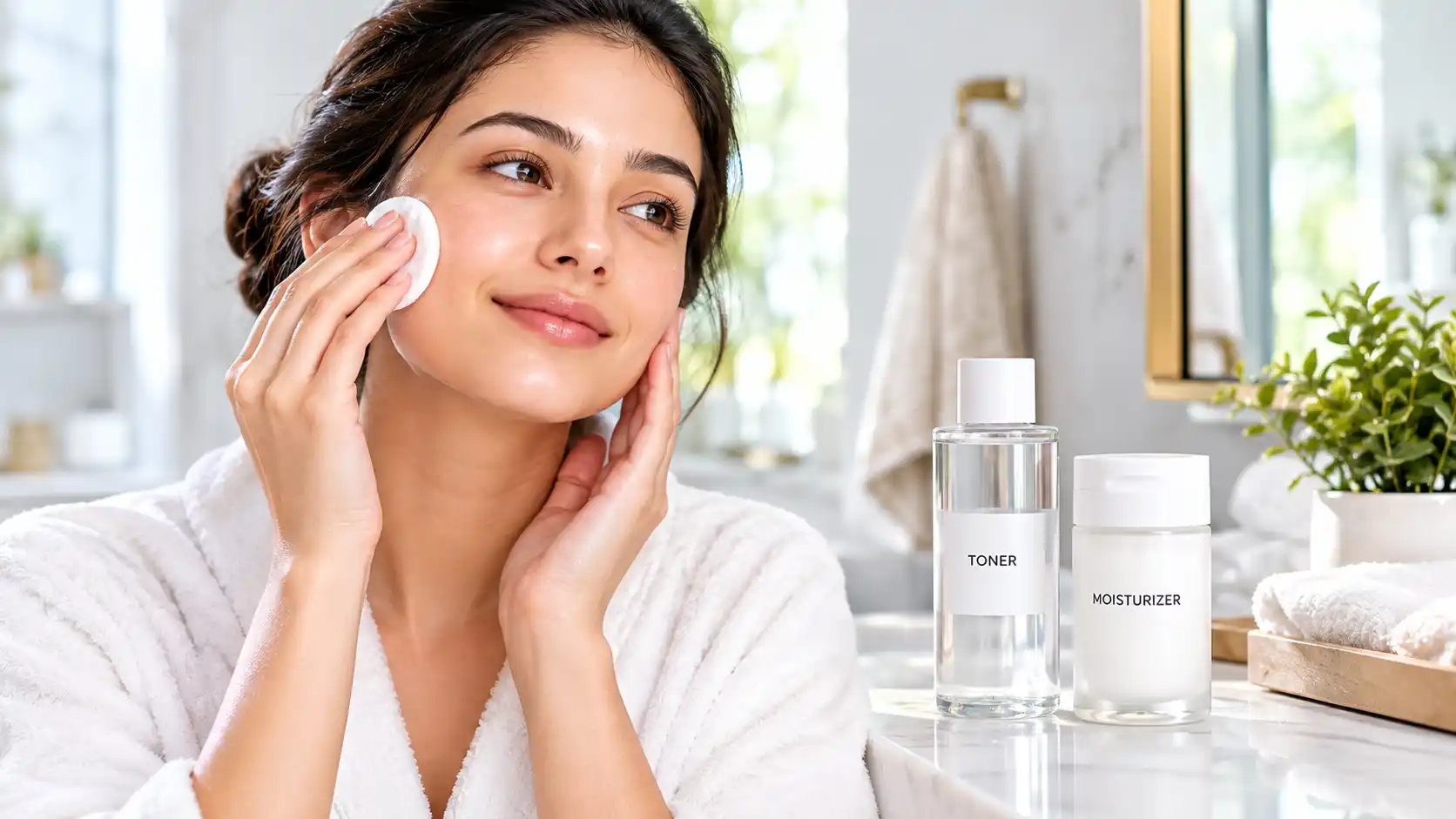
You stand at the sink. Your face is clean. Two bottles sit on the shelf. Which one goes on first?
If you have ever searched “toner or moisturizer first,” you are not alone. Thousands of people ask this every month. Skincare can feel hard. Every brand gives different advice. Videos show ten steps. Friends disagree. It is easy to feel lost.
The confusion is real. Both products go on your face. Both promise to help your skin. But the order matters. Put them on the wrong way, and your toner may not work well. Your moisturizer may also sit on top and block good ingredients from soaking in.
This guide clears it up. You will get the quick answer first. Then you will learn why the order works, where the words come from, and how they are spelled in different countries. You will also see common mistakes, real examples, and answers to popular questions. Read on, and you will never wonder about this again.
Toner or Moisturizer First Quick Answer
Use toner first. Then use moisturizer.
The rule is simple: apply products from thinnest to thickest. Toner is thin and watery. Moisturizer is thick and creamy. Thin products soak in fast. Thick products go on top and lock everything in.
Here is an easy morning routine:
- Cleanser
- Toner
- Serum (if you use one)
- Moisturizer
- Sunscreen
At night, skip sunscreen. Add a night cream if you like.
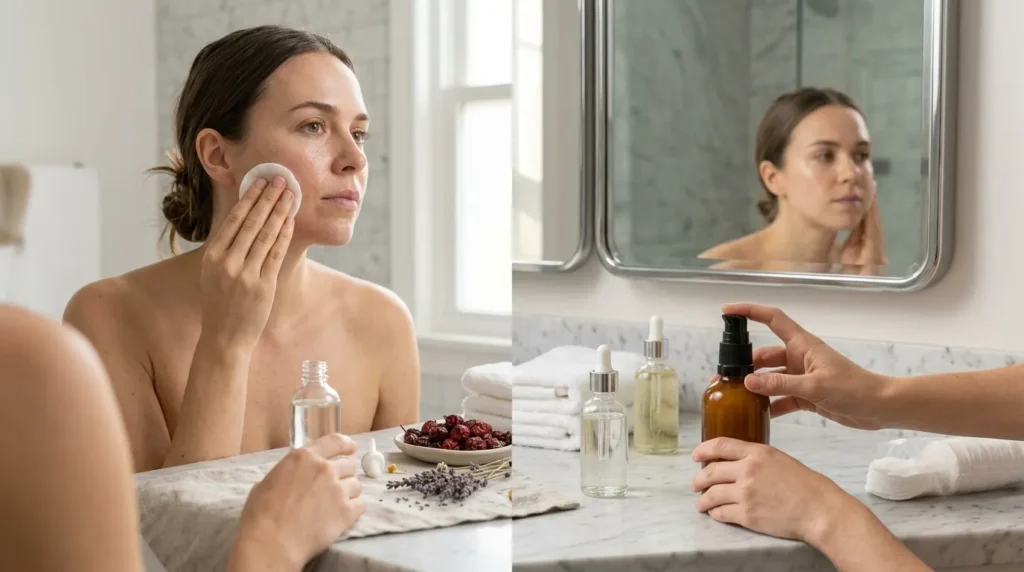
Example: You wash your face. Your skin is still a little damp. You pat on toner. Wait about a minute. Then you smooth on moisturizer. Your skin feels soft, not sticky.
One exception: Some people use a “moisture sandwich” for very dry skin. They put on a light hydrating toner, then moisturizer, then a little more toner or essence. Most people do not need this.
The Origin of Toner and Moisturizer
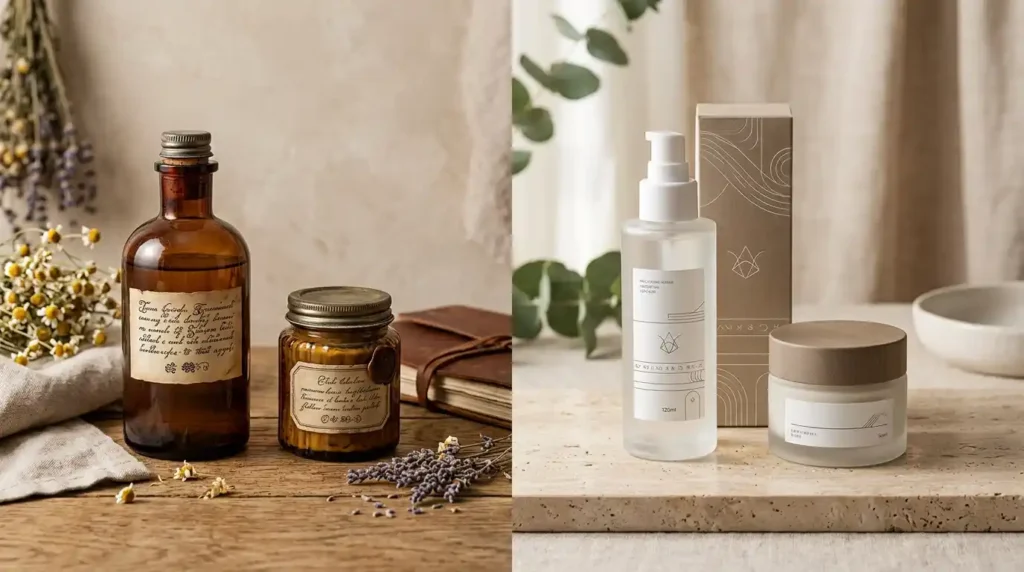
Words have stories. These two are no different.
Toner comes from the word “tone.” That word goes back to the Greek tonos, which means “stretch” or “tension.” In skincare, “tone” means firm, even, and healthy skin. Early toners were strong astringents. People used them to tighten skin and remove leftover oil. Today’s toners are much gentler. Many add water, not dryness.
Moisturizer starts with “moist.” That word came from Old French moiste, which came from Latin musteus, meaning “fresh” or “new.” Add the ending “-ize” (to make) and “-er” (a thing that does it). A moisturizer is a thing that makes skin moist.
Why spellings differ: The “-ize” ending comes from Greek. French later pushed English writers toward “-ise.” In the 1800s, American writer Noah Webster made spelling simpler and kept “-ize.” Britain, Australia, India, Pakistan, and other places often use “-ise.” The word “toner” has no such split.
British English vs American English Spelling
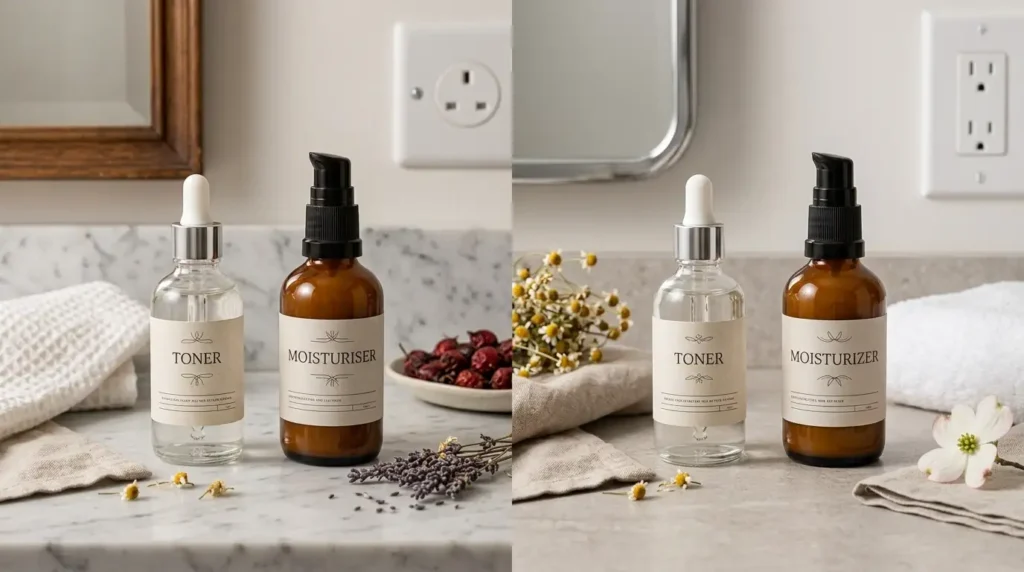
Only one of our two words changes. Here is how the spellings compare:
| Word | American English | British English |
| Face product | moisturizer | moisturiser |
| Action | moisturizing | moisturising |
| Verb | moisturize | moisturise |
| Toner | toner | toner |
| Routine word | skincare | skincare (also “skin care”) |
| Sun product | sunscreen | sun cream / sunscreen |
The rule: In American English, verbs that end in the “eyes” sound use “-ize.” In British English, “-ise” is most common. Some British sources, like Oxford, still use “-ize.” Canada mixes both but leans toward “-ize.”
Which Spelling Should You Use?
Pick the spelling your readers use.
- United States and Canada: Use moisturizer.
- UK, Ireland, Australia, New Zealand, India, Pakistan, and most Commonwealth countries: Use moisturiser.
- Global audience: Choose one and stay with it. Do not mix both in one piece. Many global brands use moisturizer because it is the most common online.
Tip for websites: Google understands both spellings. Still, match your audience. A reader in London may trust “moisturiser” more. A reader in Texas will expect “moisturizer.”
Common Mistakes with Toner and Moisturizer
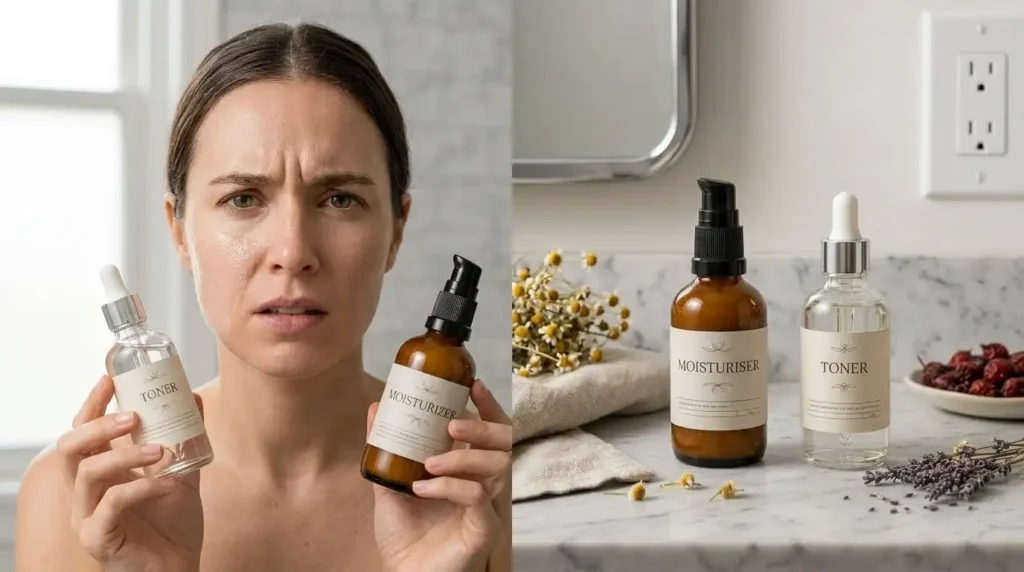
Mistake 1: Moisturizer before toner.
Thick cream blocks thin liquid. Fix: toner first, always.
Mistake 2: Not waiting.
Layering too fast makes products mix and pill (form little crumbs). Fix: wait 30 to 60 seconds.
Mistake 3: Using a harsh, alcohol-heavy toner.
It can dry and sting your skin. Fix: pick an alcohol-free, hydrating toner.
Mistake 4: Thinking toner replaces moisturizer.
Toner adds a little hydration. It cannot seal it in. Fix: always follow with moisturizer.
Mistake 5: Rubbing toner in with a rough cotton pad.
This can irritate skin. Fix: pat it in with clean hands.
Mistake 6: Using exfoliating toner too often.
Acid toners can harm your skin barrier. Fix: start two or three nights a week.
Mistake 7: Mixing spellings.
Writing “moisturizer” and “moisturiser” in one article looks careless. Fix: choose one.
Toner or Moisturizer First in Everyday Examples
In an email to a friend:
“Hi Sara, quick tip: toner first, then moisturizer. It really helps my dry skin.”
In a news article:
“Skin experts say the correct order is cleanser, toner, serum, then moisturizer.”
On social media:
“POV: you finally learned it’s toner before moisturizer 🙌 #skincare”
In formal writing:
“Dermatologists generally recommend applying lightweight products before heavier creams to improve absorption.”
In a UK blog:
“Not sure if toner or moisturiser goes first? Toner does. Then seal it in.”
Toner or Moisturizer First Google Trends & Usage Data
I can’t pull live Google Trends numbers here, so I won’t make up figures. You can check the current data yourself at trends.google.com. Here are the patterns that usually show up for this type of search:
- United States and Canada: People mostly type “moisturizer.”
- UK, Ireland, Australia, and New Zealand: “Moisturiser” appears often.
- India and Pakistan: Both spellings appear. “Moisturiser” is common in written English there, and Hinglish and Urdu-mixed searches are common too.
- Seasons: Interest often rises in winter. Cold, dry air makes people think about skin.
- Context: Most searchers are beginners, teens, and people building their first routine. Many also ask about “Korean skincare steps.”
How to check: Search “toner before moisturizer” and “toner or moisturizer first” in Google Trends. Compare regions and time ranges.
Keyword Variations Side by Side
| Keyword Variation | Spelling Type | Main Region | Search Intent |
| toner or moisturizer first | American | US, Canada | Quick answer |
| toner or moisturiser first | British | UK, Australia, India | Quick answer |
| toner before moisturizer | American | US, global | How-to |
| toner before or after moisturiser | British | UK, Commonwealth | Order check |
| does toner go before moisturizer | American | US | Yes/no question |
| skincare routine order | Neutral | Global | Full routine |
FAQs
Do I really need a toner?
No. Toner is optional. If your skin is happy with cleanser, serum, and moisturizer, you can skip it. Toner can help with extra hydration or gentle exfoliation.
Can I use moisturizer before toner?
It is not recommended. Moisturizer forms a layer that blocks toner from soaking in.
Should my face be wet or dry when I apply toner?
Slightly damp skin works well. It helps your toner spread and soak in.
Do I put toner on before or after serum?
Before. Order is: cleanser, toner, serum, moisturizer, sunscreen.
Is toner before moisturizer true for night and morning?
Yes. The order stays the same day and night. Only sunscreen changes: use it in the morning, not at night.
How long should I wait between toner and moisturizer?
About 30 to 60 seconds. If your toner is an acid, some people wait a few minutes.
Is “moisturizer” or “moisturiser” correct?
Both are correct. “Moisturizer” is American. “Moisturiser” is British and used across much of the Commonwealth.
Conclusion
So, toner or moisturizer first? Toner first, then moisturizer. Remember the simple rule: thin to thick. Toner is light and watery, so it goes on first. Moisturizer is heavier, so it goes on last and locks everything in.
Keep your routine easy. Cleanse, tone, moisturize, and use sunscreen in the morning. Wait a short time between steps. Choose gentle, alcohol-free products, and pat them in with clean hands. If your skin is dry or sensitive, listen to it. Skip steps that cause stinging or redness.
Also remember the spelling. Use “moisturizer” for American readers. Use “moisturiser” for readers in the UK and much of the Commonwealth. Pick one and stay with it. The word “toner” stays the same everywhere.
If you have a skin condition like eczema, rosacea, or bad acne, talk to a dermatologist. They can suggest a routine that fits your skin. For most people, though, this order is all you need. Simple steps, done in the right order, give the best results.

I’m Raheela Rani, a professional content writer and author with 3 years of experience in writing, editing, and storytelling. Through VisitLivo.com, I create clear, engaging, and well-crafted content that helps readers learn, connect, and communicate with confidence.